
In terms of determining the value of a second hand item, both subjective and objective elements are on a spectrum of thoughtfulness.
The subjective aspect is the “whimsical” component of what makes second hand shopping an intimate and creative experience for each individual person.
You’re entering your own little world where you are able to exercise your personal or historical knowledge about what you find. In addition to exploring (or expanding on) personal taste, feelings and memories that arise from sorting through a place filled with objects that are new or familiar.
The objective aspects are the more “practical” components to searching for items, such as considering the condition something is in and the context of its use. While there are occasions that some wear on items can add character or be repaired — holding a standard is key to saving resources.
Some questions you can ask yourself to decide if what you find may be worth bringing along with you might be: “Where is this going, in an indoor or outdoor space?”, “How am I going to use this?”, “If it can be fixed, will I hold myself accountable to doing it?” Or “Is this potentially hazardous to me or others?”
Examples of damages I’ve come across in the past that have deterred me from bringing something along are listed below. It’s not uncommon to visit an establishment where items are overlooked prior to distribution:
- Cigarette / Smoke Scent. Any strong chemical smell on items in general.
- Discoloration from Cigarette smoke.
- Chipped and Broken. (Especially on dishes being used for eating and drinking, the chips are deposits for bacteria.)
- Human, insect or animal body fluid, blood, excrement scent and stains.
- Holes and tears larger than a hand or forearm spread in multiple directions.
- Several missing pieces.
- Rust.
- Exposed or worn wires.
- Mold or rotting. (This can look different on both hard and soft objects. Usually, they are recognizable by blue/black/grey spot discoloration sometimes paired with scent.)
- Layers of dust and questionable looking dirt.
- Warped material not by design that prevents a function. (Especially important with vinyl records, this can damage your needle!)
- Items that feel unsettling on a metaphysical or spiritual level. (If you feel apprehensive to touching or looking at something. Maybe you’d hair stands up or your stomach knots — you should leave this item alone unless you’re a professional keeper.)
After every trip, regardless of appearance or “vibe” of the location and objects you browsed — use hand sanitizer or wash your hands thoroughly! The items coming back with you should be kept bagged if they came in one, once opened up, disinfected or properly washed and sanitized.
The following is my own story of a recent find that felt magical to come across and wasn’t perfect, but became perfect to me with a little tenderness.
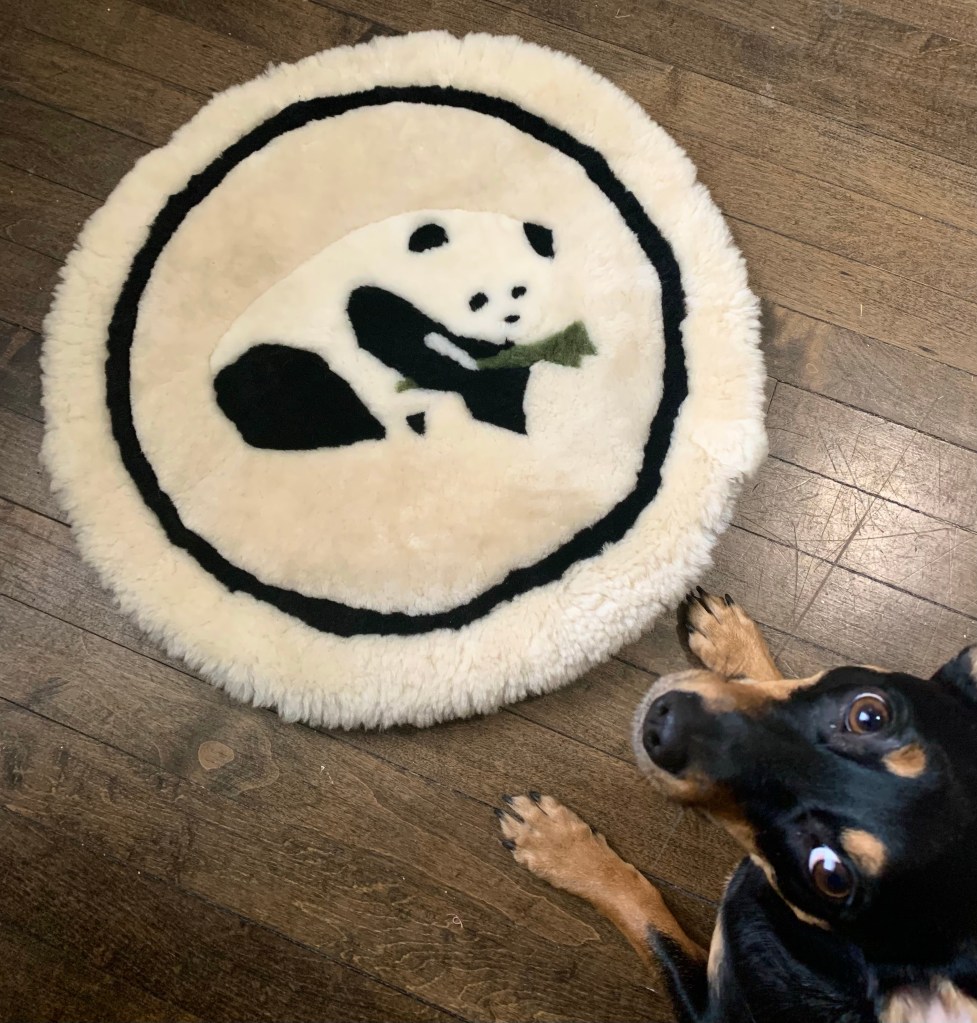
While looking for placemats and blankets at a thrift store in Chicago, in the corner of my eye I see a fuzzy ivory circle on the floor across the room. Upon closer inspection, I see that it’s this adorable fleece panda mat.
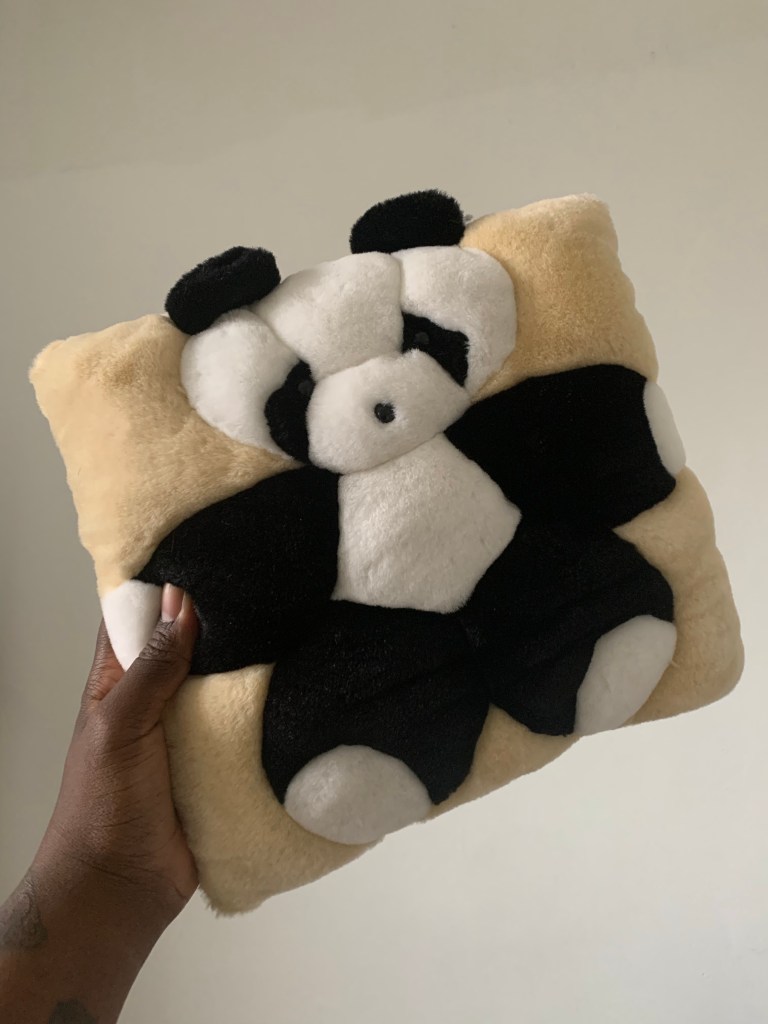
When I lived in North Carolina and was collecting items for my baby’s nursery, my friend found a vintage plush panda pillow for me. The pillow and the mat would make a great pair in the baby’s room so I excitedly put it in my cart.
When I got home, I had to do a little research of my own of how to care genuine fleece so I could wash it before displaying it in my baby’s room. I also noticed that there was a small tear in the side stitching — so I broke out some needle and thread and did a small repair before washing.
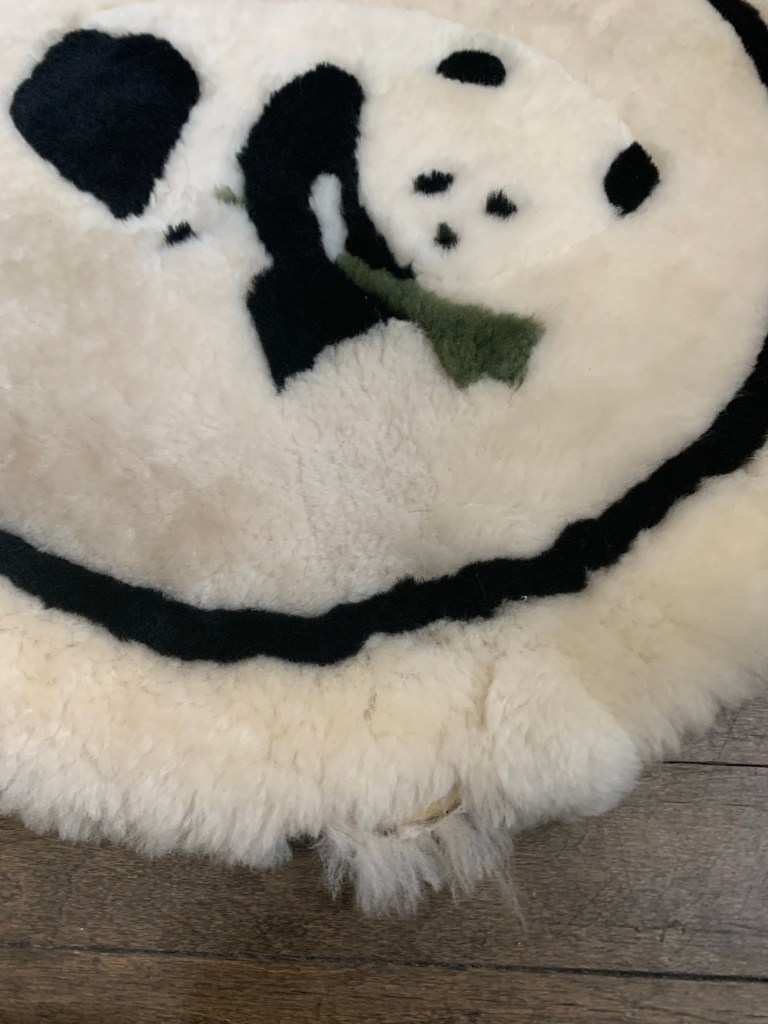
I was a little worried because this item was relatively delicate to work with, but I was very committed to working towards a positive outcome. I like the feeling of being able to restore pre-loved objects and share with others who appreciate a good find as well. In the end — the Panda mat was good as new, and this is now something my family will cherish.

 Lamb’s Ear